The Surprising Benefits of Duck Fat for Our Furry Friends
Updated: Jul 23
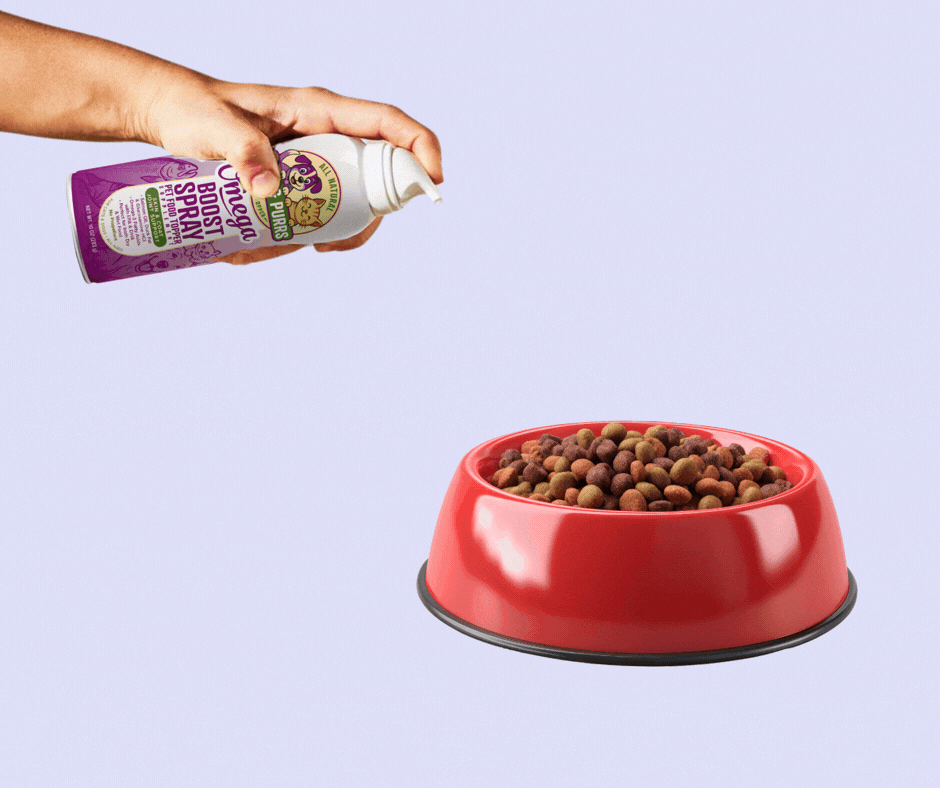
Duck fat has long been prized in human cooking for its rich flavor and cooking versatility. But beyond the kitchen, this unique fat offers surprising benefits for our pets as well. Many pet owners are discovering that adding a small amount of duck fat to their furry friends’ diets can improve coat health, boost energy, and even support digestion. This article explores why duck fat is gaining popularity among pet lovers and how it can be a valuable addition to your pet’s nutrition.
What Makes Duck Fat Different from Other Fats?
Duck fat stands out because of its unique composition. It contains a balanced mix of saturated and unsaturated fats, including oleic acid, which is a heart-healthy monounsaturated fat also found in olive oil. This balance makes duck fat stable at high temperatures and less likely to oxidize, which means it retains its nutritional value longer than many other fats.
Unlike some animal fats that can be heavy or greasy, duck fat has a light, silky texture and a mild flavor that pets really enjoy. It also contains essential fatty acids that support skin and coat health, making it more than just a tasty treat.
How Duck Fat Supports Your Pet’s Health
Improves Skin and Coat Condition
One of the most noticeable benefits of duck fat is its effect on a pet’s skin and coat. The fatty acids in duck fat help maintain moisture in the skin, reducing dryness and itchiness. Pets with dull or flaky coats often show improvement after a few weeks of adding duck fat to their diet.
Boosts Energy and Vitality
Fat is a dense source of energy, and duck fat provides a clean-burning fuel for active pets. Dogs and cats with higher energy needs, such as working dogs or playful kittens, can benefit from the extra calories and nutrients. Duck fat is also easier to digest than some other animal fats, which means pets can absorb and use the energy more efficiently.
Supports Digestive Health
Adding small amounts of duck fat can help improve digestion by lubricating the digestive tract and promoting healthy gut bacteria. Some pet owners report fewer digestive upsets and better stool quality after introducing duck fat into their pets’ meals.
Enhances Flavor and Appetite
Pets can be picky eaters, especially when they are recovering from illness or aging. Duck fat’s rich aroma and taste can make meals more appealing, encouraging pets to eat more and maintain a healthy weight.
Are There Any Risks or Considerations?
Duck fat is generally safe for most dogs and cats, but pets with pancreatitis, obesity, or certain health conditions should avoid high-fat diets. Always consult your veterinarian before making significant changes to your pet’s diet, especially if your pet has health issues.
Adding duck fat to your pet’s diet can bring noticeable improvements in coat condition, energy levels, and digestion. It’s a natural, flavorful supplement that many pets enjoy. If you want to try duck fat for your furry friend, start small, choose quality products, and monitor their response. With the right approach, duck fat can become a valuable part of your pet’s nutrition.